ERP vs CRM: what's actually different, and why mixing them up is expensive
One consultant tells you to get a CRM. Another tells you it should be an ERP. You end up choosing without really knowing what either one does, and the outcome is usually the same: the system gets bought, takes months to roll out, the team gets trained on it — and only then does it turn out the actual problem, lost sales enquiries, say, was never something that system touches.
The confusion is not an accident. Both get sold under the same "manage your business" pitch, but they answer completely different questions. Buying the wrong one is not a one-off cost — the migrated data, the trained team and the lost months are the real price of the mistake.
Two systems, two different questions
A CRM answers one question: who is our customer, what stage are they at, who talked to them and when. The centre of gravity is the person and the relationship.
An ERP answers a different one: what's in stock, where did it go, what did it cost each department. The centre of gravity is the resource and the process.
The distinction sounds abstract until you look at what each one actually contains: a CRM has no field for "stock on hand", and an ERP has no place to record why a particular customer is annoyed. Neither reaches outside its own territory, and that is by design, not a gap.
What a CRM tracks
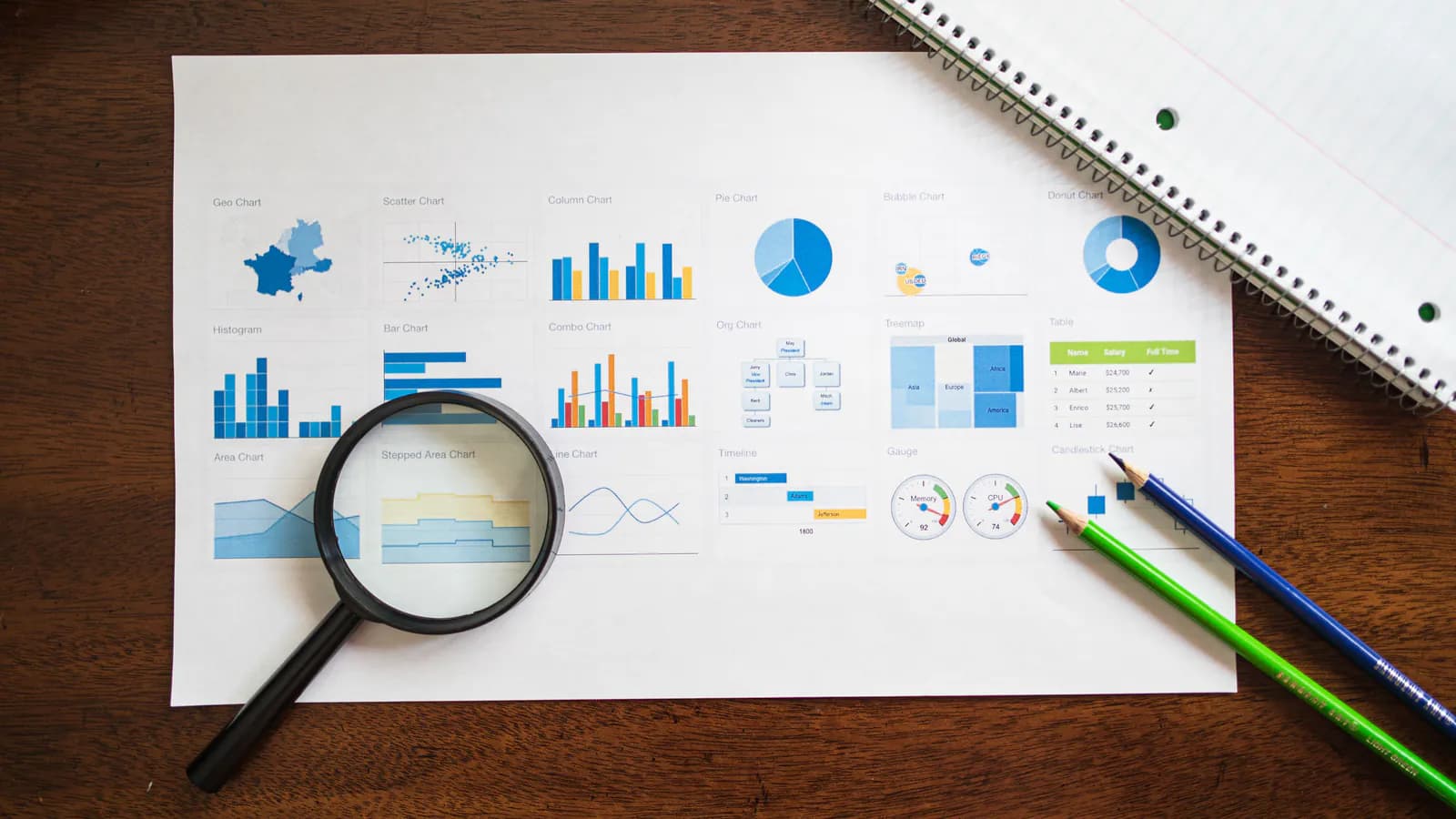
A CRM shows the sales process stage by stage: an enquiry comes in, contact happens, a proposal goes out, a deal closes. Every interaction gets logged, nothing falls through. The repetitive parts — a reminder, a follow-up task, a thank-you email — run on their own instead of landing on a salesperson's desk every time. A dashboard shows how many enquiries came in this month, how many turned into deals, and where in the process people drop off.
A ready platform (HubSpot, Zoho, Bitrix24) can be adapted to your process, or the system gets built from scratch if your process isn't a standard one. Either way the result is the same: the sales team sees who is at what stage, and management sees the whole picture.
What an ERP tracks
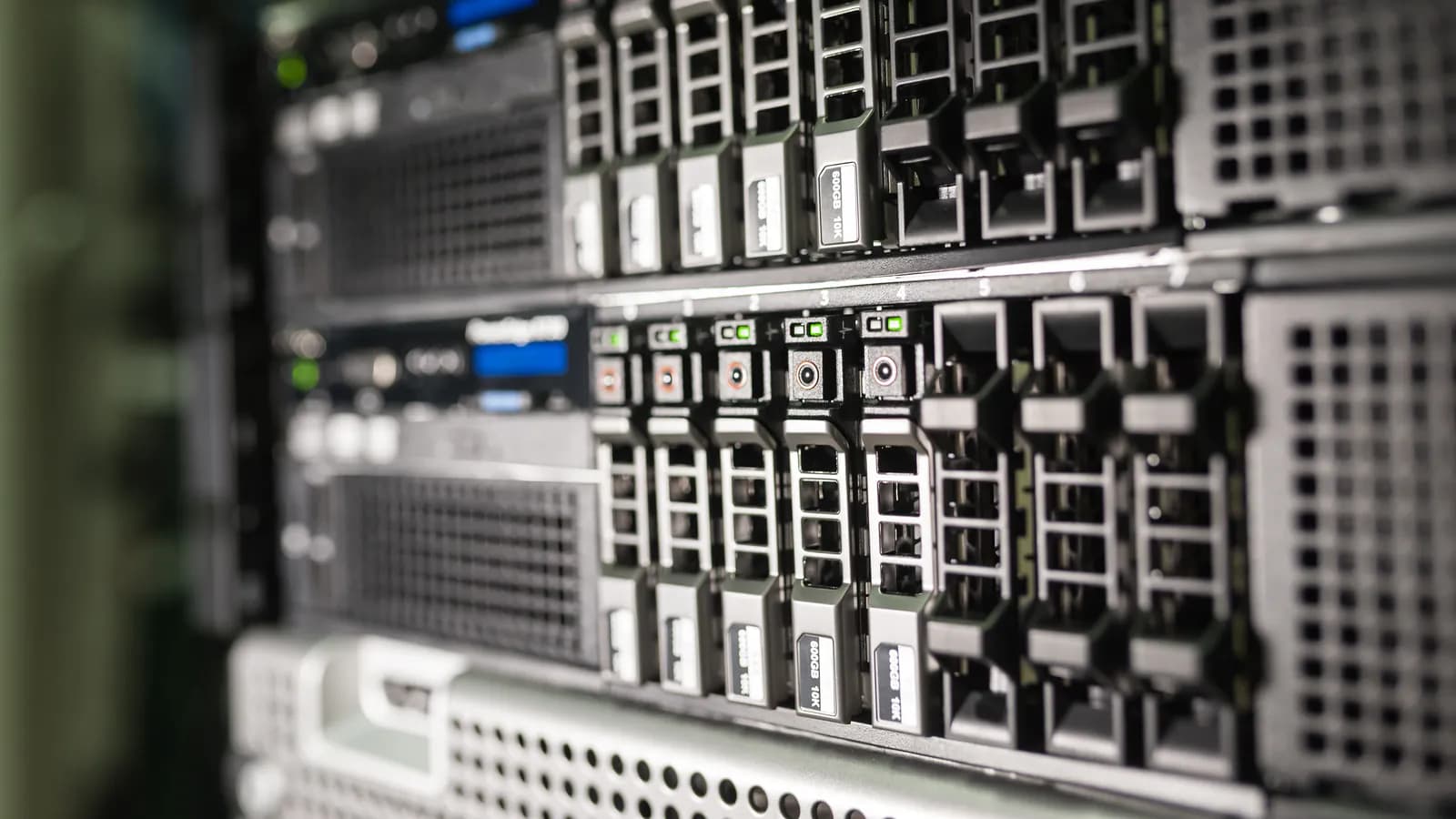
An ERP is built around a different question: do your departments see the same number? When finance, warehouse, purchasing, production, HR and sales each run their own spreadsheet, the same figure ends up looking different in every one of them. An ERP pulls those modules into a single database — a number gets entered once and reads the same everywhere.
Locally that also means specific, unglamorous things: preparing, signing and sending the e-invoice XML file, accounting for the VAT deposit account inside the system itself, integrating with an existing 1C database or migrating out of one. None of that is a CRM's job — a CRM never knows how many units are left in the warehouse, or which invoice a given payment settles.
Why mixing them up is an expensive mistake
The scenario is a familiar one: sales enquiries get lost in WhatsApp, nobody remembers who promised what to whom, and the company buys an ERP because "system" is the word that comes to mind first. Months go into setting up the finance and warehouse modules, the team sits through training — and enquiries keep getting lost in WhatsApp, because an ERP's sales module is a place to raise invoices, not a CRM pipeline.
The reverse happens just as often: a growing company buys a CRM because the customer list got longer, while the actual pain is not knowing when the warehouse runs out. No number of custom fields will teach a CRM about stock levels, because that question was never built into it.
A CRM tells you who talked to you and when, an ERP tells you what's left and what it cost — expecting both answers from one system is the expensive mistake.
Which symptom points where
Before choosing anything, work out where the actual pain lives:
- If the unanswered question is "who, at what stage, who spoke to them and when" — the problem is in sales, and a CRM is the fix.
- If the unanswered question is "how much is left, in which department, why don't the numbers match" — the problem is operational, and an ERP is the fix.
- If both are true at once — usually the case for a growing company with several departments — buying both separately and trying to connect them afterwards gets expensive. It's cheaper to work out which one is more urgent first and add the other on a plan.
The step before deciding
The cheapest move is not watching a demo, it's writing your own workflow down on paper: where an order starts, which departments it passes through, where it stalls. Once that flow is on paper, which system answers which point becomes obvious on its own.
That's where we start too: our ERP setup, which pulls finance, warehouse and sales into one database begins with mapping where your departments actually get stuck, not before it. We don't sell a module you don't need, because dealing with the extra complexity afterwards would be your problem, not ours.