Customer Content: The Hidden Cost of Sharing Without Permission

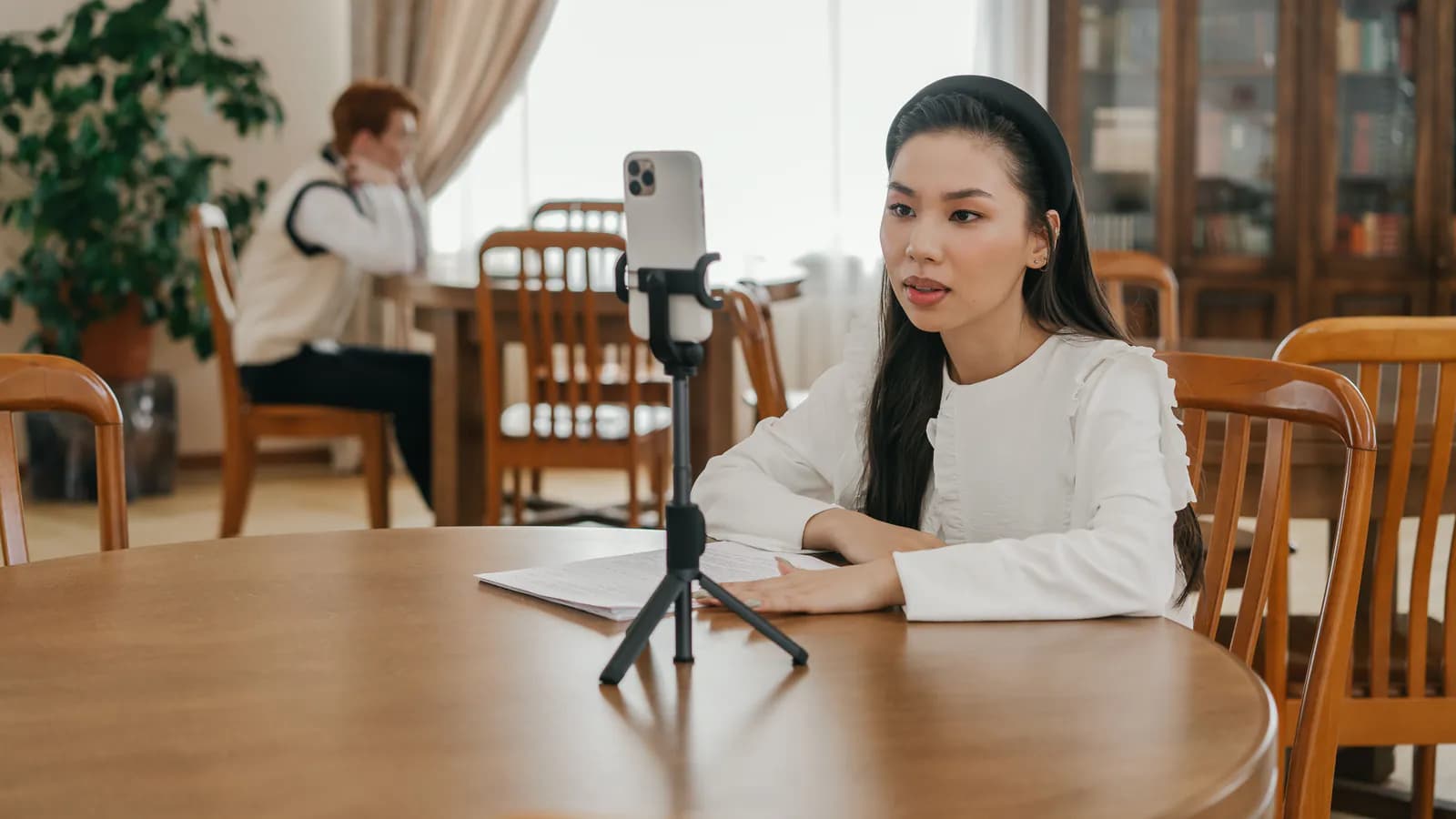
A customer films a clip at your place, hearts it, captions it "obsessed with this spot," and posts it to Stories. You spot it, save it, put it on your own page — logo stamped on top, because good footage just landed in your lap for free. There's no bad intent here; you're celebrating the customer, and it feels like a win for both sides.
But you've just done something else at the same time: turned someone's face, voice and words into your own ad material, and whether they knew that was coming is still an open question. The gap looks small. The fallout isn't — a complaint you now have to handle, a post you have to take down, or just a customer who quietly decides you never asked, and never comes back.
When permission is required, and when it isn't
"They posted it themselves, I just showed it" sounds reasonable, but it collapses two different acts into one. A post the customer put up themselves, on their own public account, by their own choice, is one thing — they decided who sees it and for how long. You editing it, adding your logo, and pushing it onto your brand page, an ad campaign or a storefront screen is a different act entirely: your commercial decision, wearing their face.
The line is practical: are you changing the material, cropping it, adding a logo or caption, running it in paid media — if the answer to any of those is yes, get written permission first. A plain repost, credited and unedited, carries lower risk on its own — but asking "mind if we share this?" costs one sentence and nothing else, and it does something extra: it tells the customer you noticed them, which is its own kind of goodwill.
Image rights: whose face, whose words
Any clip shot on a phone gets treated as free material simply because it looks real, blur and all. But if a recognisable person is in the frame, that person still holds the say over how their own image gets used. The legal label for this differs from country to country, but the logic doesn't: when someone's face shows up in your brand's ad, a viewer reads it as an endorsement — "this person chose us, and liked it." Only that person can grant that endorsement. You capturing the footage doesn't transfer the right to make that call.
If other people are in the same frame — a staff member standing behind the customer, a stranger caught in the background — the same right applies to them. Children raise the stakes a step further: consent comes from a parent or guardian, not the child, and a smile in the shot is not consent.
You write the quote, the customer has to sign off on it
A separate habit shows up constantly in content calendars: "tightening" what a customer actually said into a short, punchy line like "amazing service, highly recommend," then publishing it with their name and photo attached. The sentence is yours. Nobody asked the customer to confirm it.
That's not a light edit — it's speaking on someone else's behalf. When the gap surfaces (the customer sees the post, or someone asks them "did you actually say that?"), trust doesn't just leak out of that one post — it leaks out of the whole page, because a reader who catches one manufactured quote starts wondering about the rest. The fix is simple: write the quote, send it to them, ask "can we publish this exactly as written?", and only publish after a yes. Five minutes, and it's the whole difference.
What written permission actually needs to say
You don't need a long contract, but a verbal "sure" doesn't hold up either — once someone says "I never said that," you have nothing to point to. One message is enough if it spells out four things clearly:
- Where it will run — Instagram, the website, print material, listed separately; "everywhere" is too vague to mean anything.
- For how long — for one campaign, or indefinitely.
- Whether you can edit it — crop it, pair it with new copy, adjust the colour, or only use it as-is.
- The right to pull it — if the customer asks for it down later, how fast that actually happens.
A workable template: "Hi — we loved the clip you shot at our place. Mind if we share it on our Instagram, no name attached, for about a month? We'll take it down whenever you ask." Send that one line on WhatsApp, keep a screenshot of the reply, and the whole process is covered. Not a legal document — just a timestamped trail.
The "tag us for a discount" trap
Offering a discount, a free item or a small gift in exchange for a customer tagging you in Stories feels efficient — the content seems to arrive on its own, for free. But it sits close to what Google's own platform policy already bans outright: any incentive for a review or recommendation — payment, a discount, a gift — is prohibited, because the result stops being a genuine impression and becomes a commissioned ad. The difference may be invisible to a viewer, but the outcome is the same either way — the post that looks organic is actually conditional, and if that surfaces on a reviews platform, the risk isn't one post disappearing, it's the entire review history.
The cleanest split: thank the customer AFTER the fact, with no strings attached, and build your content library from genuine enthusiasm that already exists — not from a purchase order for it.
The moment it stops being yours to control
Once a post is out, three things can happen: the customer changes their mind and asks for it down; someone asks outright, "was there permission for this?"; or the material is already running as paid media and the impressions have already been paid for. In all three, the problem surfaces months after the shoot, not during it — and at that point, the only answer to "was there consent" lives in a saved screenshot, if one exists at all.
The moment a customer's face becomes your ad without their say-so, they've stopped being a customer — they've become an image used without permission.
We hold ourselves to the same rule: no client's work, name, logo or number goes on our own site without written permission first — because the same question can just as easily land on us one day. Our social media management service builds the permission step into the content calendar as a normal part of the workflow, not an extra chore — every month it's clear what's cleared to publish and what's still waiting on a yes, so only approved material ever reaches your feed.